

Health experts have highlighted the critical role of nutrition in the recovery of people living with hepatitis, stressing that while medication remains essential, a balanced diet is equally important for restoring liver function and strengthening the body’s immune response.
Nutrition enables the body to obtain and utilise nutrients from food for energy production, growth, tissue repair and the maintenance of normal body functions.
Experts say good nutrition strengthens the immune system, helping the body fight infections, recover from illness and reduce health complications. They explained that during illness, the body’s nutritional requirements increase because additional energy and nutrients are needed to repair damaged tissues and restore normal body functions.
Although treatment for hepatitis often focuses on medication, health professionals say recovery extends beyond drugs, with nutrition playing a significant role in helping the liver heal and regain its normal function.
The liver is responsible for filtering toxins, processing nutrients and supporting metabolism. However, hepatitis impairs the organ’s ability to perform these vital functions.
According to the World Health Organisation (WHO), hepatitis is an inflammation of the liver caused by infectious viruses—Types A, B, C, D and E—and can result in scarring, liver failure or cancer.
The disease exists in five major forms: Hepatitis A (HAV), Hepatitis B (HBV), Hepatitis C (HCV), Hepatitis D (HDV) and Hepatitis E (HEV).
Hepatitis A is spread through contaminated food or water and typically causes short-term illness. Hepatitis B is transmitted through infected body fluids, including blood, sexual contact and childbirth, and may become a chronic disease. Hepatitis C spreads through infected blood and often develops into a chronic infection that damages the liver. Hepatitis D occurs only in individuals already infected with hepatitis B, while Hepatitis E is spread through contaminated water and usually causes short-term illness.
Providing further insight, the Chief Executive Officer of MIC Foods and Wellness Ltd., Mrs Ifeoma Onuoha, said understanding hepatitis is the first step toward recognising the importance of nutrition during recovery.
She explained that hepatitis is an inflammation of the liver caused primarily by viral infections, excessive alcohol consumption or immune system disorders.
According to Onuoha, hepatitis exists in different forms, including hepatitis A, B, C and non-infectious hepatitis, each affecting the liver differently.
She noted that hepatitis A is commonly transmitted through contaminated food or water and is generally short-term, while hepatitis B and C spread through infected blood and body fluids and frequently become chronic conditions.
She added that non-infectious hepatitis is associated with unhealthy lifestyle habits such as excessive alcohol consumption, toxic drug use and immune system disorders.
“Although medical treatment remains essential, nutrition significantly influences how quickly the liver repairs itself and how effectively the body responds to infection.
“Proper nutrition supports liver cell regeneration, reduces inflammation and strengthens the immune system needed to fight viral infections.
“Balanced diets also prevent malnutrition and provide the energy required for the liver to withstand stress during recovery”, Onuoha explained.
She identified lean proteins, complex carbohydrates, healthy fats, vitamins and minerals as the major nutrients required for liver repair.
Onuoha recommended lean protein sources such as chicken, fish and beans, explaining that they help rebuild damaged liver tissues.
She also advised patients to consume whole grains, unripe plantain and Ofada rice to provide fibre and sustained energy.
According to her, healthy fats from extra virgin olive oil, avocado oil and fish oils rich in omega-3 fatty acids also aid recovery.
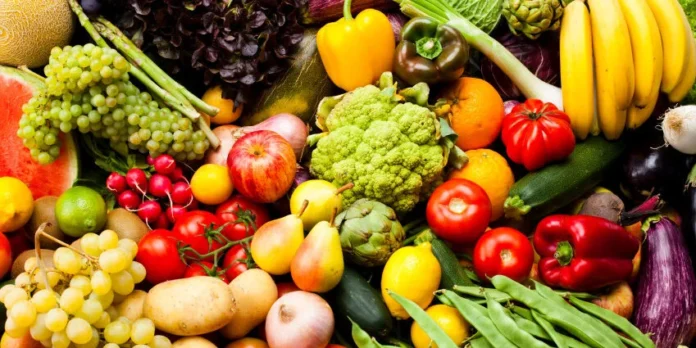
She added that vitamin C-rich fruits, including oranges, tangerines and grapes, as well as green tea, contribute to faster healing.
Onuoha warned that alcohol should be completely avoided because it causes direct liver damage and worsens hepatitis.
She also advised patients to stay away from fried foods, high-fat meals and ultra-processed foods containing preservatives, colourings and excessive sugar, noting that such foods place additional strain on the liver.
According to her, poor nutrition weakens the immune system, delays tissue repair and increases inflammation, ultimately slowing recovery from hepatitis.
She pointed out that Nigeria has a wide range of affordable foods that naturally promote liver health.
Among the recommended foods are leafy vegetables such as ugu, waterleaf, bitter leaf, scent leaf (nchuanwu), shoko, ewedu and utazi, alongside beans, Titus fish, sardines, garlic, ginger, unripe plantain and Ofada rice.
Onuoha said these foods provide antioxidants, vitamins, minerals and other nutrients that support the liver’s natural repair process.
She also addressed common misconceptions surrounding nutrition for hepatitis patients.
According to Onuoha, many people mistakenly believe that hepatitis patients should eat only plain boiled foods, avoid protein, stay away from colourful fruits or engage in frequent fasting.
She stressed that there is no nutritional basis for such beliefs, explaining that lean proteins and colourful fruits provide nutrients essential for liver repair, while unnecessary fasting deprives the body of the nourishment required for healing.
The expert maintained that recovery from hepatitis depends not only on medication but also on proper nutrition, which provides the foundation for stronger immunity, healthier liver function and a faster return to wellness.
Source: NAN (Nannews)
Do you want to share your impact stories or pitch the coverage of your CSR event to us? E-mail: editor@impactwatch.net or *Phone +234-806-795-0250 (Whatsapp &Text)


