

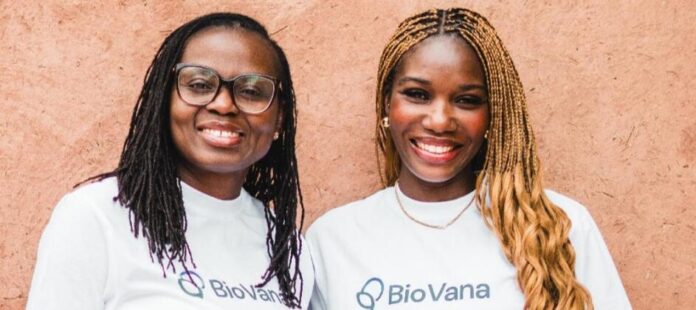
Nigeria is advancing a nationally coordinated cancer research initiative through the implementation of the National Cancer Biobank Network (NCBN), a programme led by the National Institute for Cancer Research and Treatment (NICRAT) in partnership with health data infrastructure company BioVana.
The network connects eight federal hospitals spanning Nigeria’s six geopolitical zones. Its initial phase targets the collection and cataloguing of 10,000 cancer biospecimens, with plans to expand the collection to 100,000 by 2028.
The initiative follows a memorandum of understanding signed by NICRAT and BioVana in 2025. Under the partnership, NICRAT is responsible for national leadership, coordination and oversight, while BioVana oversees technical implementation.
BioVana’s responsibilities include developing the digital infrastructure, standardising procedures for collecting and managing biological samples and associated data, and establishing systems to support research at participating hospitals.
Initial site assessments have been completed, alongside a stakeholder workshop attended by representatives of the World Health Organization (WHO) and the International Society for Biological and Environmental Repositories (ISBER). The project is now progressing towards consistent biobanking procedures and shared data management and quality standards across the participating institutions.
The partners describe the NCBN as one of Africa’s first nationally coordinated cancer biobank networks of its kind.
Estelle Dogbo, co-founder and chief executive officer of BioVana, said Nigeria already possesses substantial cancer research resources across different institutions, but connecting them is essential to improving their usefulness for scientific research.
“Nigeria already has significant cancer research resources distributed across institutions,” says Estelle Dogbo, co-founder and CEO of BioVana. “The NCBN is about connecting those resources through the standards, infrastructure and governance required to make them more useful for research.”
Dogbo said the initiative is intended to provide a model for developing national biomedical research infrastructure in other African countries.
Founded in 2025 by Dogbo and Dr Jumi Popoola, BioVana seeks to connect African research institutions with the global scientific community. The company aims to enable locally generated biomedical data to contribute to drug discovery while helping address the under-representation of African populations in global research.
African populations remain significantly under-represented in genomic and clinical research datasets worldwide. This gap limits the ability of researchers to develop and evaluate treatments and precision medicine tools that work effectively for patients on the continent.
NICRAT’s director general said the network represents progress towards establishing a central national cancer biobank capable of supporting Nigeria’s research needs over the long term.
“Our ambition goes beyond connecting institutions today. We are laying the foundation for a national cancer research infrastructure that can serve Nigeria for generations,” he says.
Dr Zisis Kozlakidis, group head of laboratory support, biobanking and services at the WHO’s International Agency for Research on Cancer (IARC), highlighted the importance of the initiative in ensuring African research contributes to scientific advances globally.
“By investing in shared standards, local capacity and sustainable biobanking infrastructure, initiatives such as the NCBN can help build a more representative and equitable future for cancer research,” he says.
The initiative comes amid a growing cancer burden across Africa. According to Africa Cancer Control Partners, the continent recorded more than one million new cancer cases in 2020, a figure projected to double over the following 15 years.
The next stage of the NCBN will prioritise capacity building across the eight participating hospitals, the harmonisation of biobanking procedures, the introduction of common data and quality standards, and the recruitment of the first 10,000 cancer samples.
Source: Africa Business Communities
Do you want to share your impact stories or pitch the coverage of your CSR event to us? E-mail: editor@impactwatch.net or *Phone +234-806-795-0250 (Whatsapp &Text)


