

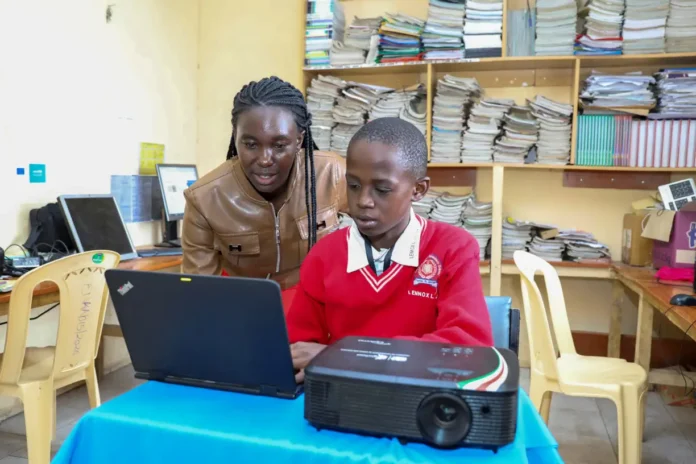
Alef Education has reported positive first-year findings from its climate literacy initiative in Kenya, developed in collaboration with UNICEF Kenya and the Kenya Institute of Curriculum Development (KICD) to strengthen climate education through digital learning.
The programme operates under an existing tripartite memorandum of understanding and provides digital educational resources designed to help learners understand climate change and its impact on their communities.
During the first phase, 11 learning modules reviewed by KICD were uploaded to Kenya Education Cloud, the country’s national learning platform. The resources were tested by 151 learners and 39 teachers across 12 schools in six counties, with participants providing feedback on educational value, interactivity and ease of use.
The assessment found that 87 per cent of participating learners said the content improved their understanding of climate change, while 95 per cent reported that it encouraged them to take action in their communities. A further 83 per cent described the learning materials as very interactive.
Teachers also gave positive feedback on the resources. Some 97 per cent said the platform was easy or very easy to use, while all participating teachers considered it effective as a complement to face-to-face classroom instruction.
The findings offer an initial assessment of how learners and educators engage with the digital materials and their potential contribution to climate education. The feedback will also help identify areas for improvement as the initiative develops.
Geoffrey Alphonso, chief executive officer of Alef Education, said connecting climate lessons to learners’ everyday experiences was important for making the subject meaningful.
“Climate education becomes meaningful when learners can connect what they study with the world around them and see how they can contribute. The feedback from learners and teachers in Kenya is encouraging, particularly the interest in community action and the value teachers see in using these resources alongside classroom instruction. Through our collaboration with UNICEF Kenya and KICD, we are working to make climate learning accessible, engaging, and relevant, while listening to the educators and learners who use it.”
Dr. Shaheen Nilofer, UNICEF Representative to Kenya, said the organisation was working with KICD and other partners to strengthen climate education within the country’s school curriculum.
“UNICEF is committed to working with KICD and partners to strengthen climate education as part of Kenya’s school curriculum. Children need the knowledge and opportunities to understand climate change, contribute to solutions and take action in their communities. It is encouraging that 95 per cent of learners said the content inspired them to take community action. By listening to children’s experiences and ideas, we can make climate education more relevant and empower them to help shape a more sustainable future.”
The initiative combines digital learning materials, curriculum review and feedback from schools to support the delivery of climate education. Hosting the modules on Kenya Education Cloud provides a channel for learners and educators to access the resources, while user testing helps assess their usefulness in teaching and learning.
Prof. Charles Ong’ondo, chief executive officer of KICD, highlighted the importance of linking climate knowledge to learners’ daily lives and equipping teachers with resources they can use in the classroom.
“Effective climate education connects knowledge with learners’ everyday experiences and equips teachers with practical resources to support learning. The feedback from participating teachers on using these modules alongside classroom instruction is encouraging. The findings provide valuable insights into how digital resources can enhance climate education and inform further improvements in response to the needs of teachers and learners.”
Teacher responses formed a central part of the first-year evaluation, particularly regarding the platform’s usability and its effectiveness alongside conventional classroom teaching. Meanwhile, learners’ feedback indicated that interactive digital content could help connect their understanding of climate change with an interest in taking action outside school.
The first-year milestone reflects Alef Education’s continued commitment to collaborating with education partners to address learning needs through digital resources.
Source: Arab News 247
Do you want to share your impact stories or pitch the coverage of your CSR event to us? E-mail: editor@impactwatch.net or *Phone +234-806-795-0250 (Whatsapp &Text)


