

Nigeria has recorded a major milestone in its drive toward Universal Health Coverage (UHC), with more than 22 million citizens now enrolled in health insurance as the rollout of mandatory health insurance continues across the country, according to the National Health Insurance Authority (NHIA).
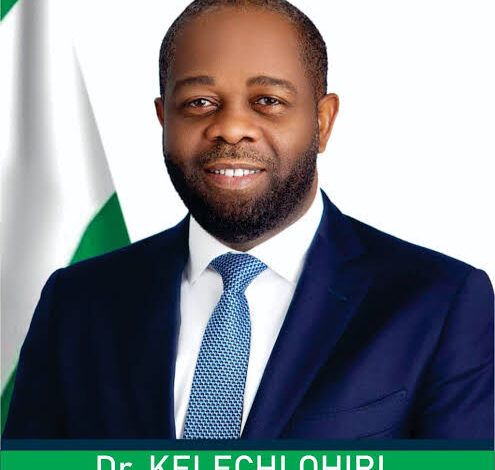
The update was provided by the Director-General of NHIA, Dr. Kelechi Ohiri, during the Annual General Meeting of the Nigerian Association of Insurance and Pension Editors (NAIPE) held in Lagos. He said the Authority has shifted from policy development to delivering measurable improvements in healthcare access, service quality and consumer protection in line with the Federal Government’s health sector reform agenda.
Highlighting the next phase of the reform programme, Ohiri said implementation remains the most critical factor in achieving lasting results.
“Nigeria has the policy. Nigeria has the legislation. The decisive variable is now implementation consistent, rigorous and accountable execution that converts political commitment into healthcare access for real Nigerians.”
He noted that the progress achieved reflects growing collaboration among the Federal Government, state governments, healthcare providers, Health Maintenance Organisations (HMOs), employers and development partners, with reforms increasingly translating into tangible benefits for Nigerians.
According to the NHIA Director-General, health insurance coverage has risen to 22.03 million Nigerians, representing a 35 per cent year-on-year increase. He attributed the growth to stronger partnerships with State Social Health Insurance Agencies (SSHIAs), broader engagement with Ministries, Departments and Agencies (MDAs), organised labour, employers and private sector stakeholders, alongside the phased implementation of the mandatory health insurance provisions contained in the NHIA Act.
Ohiri explained that the transition from the former National Health Insurance Scheme (NHIS) to the National Health Insurance Authority (NHIA) marked a significant institutional reform, strengthening regulation, consumer protection, accountability and strategic purchasing while providing the legal and operational framework required to advance Universal Health Coverage.
Improving the experience of health insurance enrollees, he said, remains a key priority for the Authority. To support this objective, NHIA has enhanced its complaints management system, introduced faster complaint resolution timelines, strengthened compliance monitoring of HMOs and healthcare providers, and imposed sanctions on facilities that fail to meet required standards.
He disclosed that the Authority has resolved 3,878 complaints, achieving an 87 per cent resolution rate, with 95 per cent of cases concluded within the prescribed timelines. In addition, more than ₦14.2 million has been refunded to enrollees, while sanctions have been applied to non-compliant healthcare facilities.
The Authority has also introduced new service standards, including a one-hour treatment commencement expectation for enrollees requiring urgent medical care, with the aim of ensuring that health insurance delivers timely and quality healthcare services.
On healthcare financing, Ohiri highlighted reforms aimed at strengthening service delivery by medical providers. These include a 93 per cent increase in capitation payments and a 378 per cent increase in fee-for-service reimbursements, measures he said are enabling healthcare providers to invest more in personnel, equipment and infrastructure while improving patient care.
He further revealed that 7,592 healthcare facilities have already been assessed under the SafeCare quality framework, part of NHIA’s broader effort to institutionalise continuous quality improvement across the country’s healthcare system.
The NHIA boss also outlined targeted programmes for vulnerable populations, including support for more than 48,500 pregnant women, expanded maternal and newborn healthcare services, implementation of the Vulnerable Group Fund, and increased attention to pensioners and retirees. He stressed that Universal Health Coverage can only be achieved when quality healthcare reaches every Nigerian, regardless of income level or geographic location.
According to Ohiri, these reforms are aligned with President Bola Ahmed Tinubu’s Renewed Hope Agenda, which prioritises social protection and expanded access to quality healthcare, as well as the broader health sector reforms being coordinated by the Co-ordinating Minister of Health and Social Welfare, Professor Muhammad Ali Pate.
While acknowledging that additional work remains, he expressed confidence that the progress recorded so far provides a solid platform for achieving Universal Health Coverage through sustained implementation, accountability and public trust.
Source: Business Journal
Do you want to share your impact stories or pitch the coverage of your CSR event to us? E-mail: editor@impactwatch.net or *Phone +234-806-795-0250 (Whatsapp &Text)


