

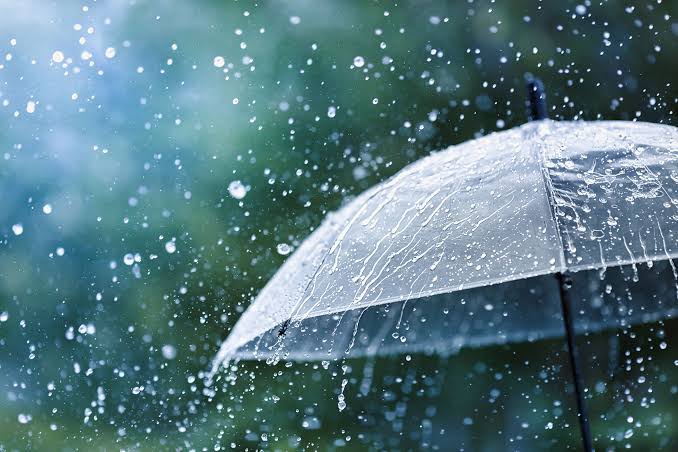
The rainy season brings welcome relief from intense heat while replenishing freshwater sources and supporting agricultural activities. It also plays a vital role in preserving biodiversity, improving air quality, and sustaining ecological balance.
Despite these benefits, the season presents a range of challenges, including increased health risks, poor road conditions, damp living environments, and disruptions to everyday activities.
According to the European Wilderness Society, rainfall is essential for replenishing lakes, rivers, and other freshwater resources that support human survival and ecological stability. The organisation also notes that rain provides the moisture crops require to grow, helping sustain global food production.
However, excessive or insufficient rainfall can create serious problems. Heavy downpours frequently trigger flooding that damages homes, displaces communities, overwhelms infrastructure, and causes significant economic losses.
The European Wilderness Society further explains that poorly maintained drainage systems in many urban areas are often unable to cope with intense rainfall, leading to flooding, property damage, transport disruptions, and limited access to clean drinking water.
Health experts say adopting healthy lifestyle habits during the rainy season can help people remain healthy, comfortable, and productive. Here are seven key practices they recommend.
Prioritise personal hygiene
Public health expert, Dr Tunde Akintunde, said the rainy season creates favourable conditions for germs and infections to spread.
He stressed that regular hand washing with soap and clean water remains one of the most effective ways to prevent seasonal illnesses.
“One of the simplest but most effective preventive measures is frequent hand washing with soap and clean water, as this helps reduce the risk of contracting common illnesses associated with the season. People should also ensure that their clothes, footwear, and other personal items are properly dried after exposure to rain to prevent fungal infections, skin conditions, and unpleasant odours,” he advised.
Keep your surroundings clean
Akintunde also emphasised that maintaining a clean environment is just as important as practising good personal hygiene.
He encouraged residents to clear blocked drains regularly, dispose of waste properly, and eliminate stagnant water that can contribute to the spread of waterborne diseases and other health hazards.
“Beyond personal hygiene, maintaining a clean environment is equally important during the rainy season. People should regularly clear blocked drains, dispose of waste appropriately, and avoid practices that encourage stagnant water, as these can increase the risk of waterborne diseases and other health hazards,” he added.
Wear suitable clothing
The physician advised people to dress appropriately for wet weather by choosing lightweight but protective clothing.
He recommended using waterproof jackets, umbrellas, and raincoats to stay dry, while footwear should be waterproof and provide good grip to minimise the risk of slipping on wet surfaces.
Strengthen your immunity with nutritious foods
Akintunde noted that cases of malaria, colds, influenza, and other infections often increase during the rainy season.
He advised people to support their immune systems by eating balanced meals rich in fruits, vegetables, proteins, and whole grains.
“To stay healthy during this period, people should pay close attention to their nutrition by eating a balanced diet rich in fruits, vegetables, proteins, and whole grains.
“Foods rich in vitamins C and A, such as oranges, pineapples, carrots, and leafy vegetables, are particularly beneficial as they support the body’s natural defence mechanisms. It is also important to drink adequate amounts of clean water, even when the weather feels cooler, as proper hydration remains essential for good health,” the physician advised.
Protect yourself from mosquito bites
Environmental health expert Israel Adeyemi warned that stagnant water left behind by rainfall provides ideal breeding grounds for mosquitoes.
He advised people to empty water-collecting containers regularly and adopt preventive measures such as sleeping under treated mosquito nets, installing window screens, and using insect repellents to reduce the risk of malaria and other mosquito-borne diseases.
Travel safely during wet weather
Adeyemi cautioned that heavy rainfall often reduces visibility and makes roads slippery.
He urged motorists to drive carefully, maintain safe distances, and ensure vehicle lights and windscreen wipers are working properly. Pedestrians, he added, should avoid walking through flooded areas and remain vigilant when crossing roads.
Prepare for a healthier rainy season
Adeyemi said simple preventive measures can significantly reduce illnesses commonly associated with the rainy season.
“Even though the rainy season has its own problems, if people adopt simple healthy habits, they will get through the season safely and comfortably.
“If we pay attention to how we keep ourselves clean, what we eat, how we maintain our environment, and how we protect ourselves, it will significantly reduce the sickness that usually follows the season,” Adeyemi added.
Source:Punch
Do you want to share your impact stories or pitch the coverage of your CSR event to us? E-mail: editor@impactwatch.net or *Phone +234-806-795-0250 (Whatsapp &Text)


