

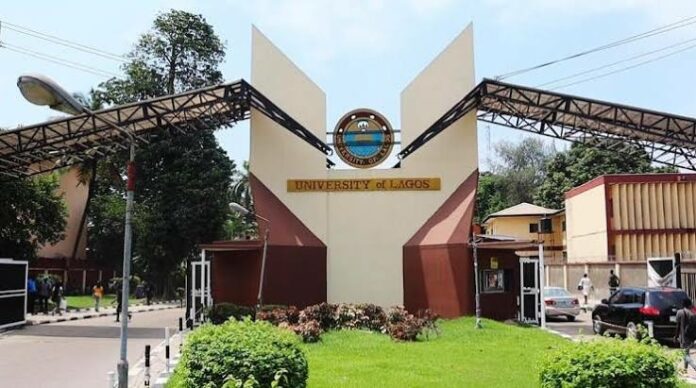
Researchers from the University of Cambridge in the United Kingdom and the University of Lagos (UNILAG) have partnered to lead a three-year research initiative aimed at identifying the health risks associated with extreme urban heat across 10 selected settlements in Lagos.
The initiative, known as the Hotsteppers Project, will bring together a consortium of stakeholders to examine how rising temperatures affect public health while developing practical strategies to improve climate resilience in the city. The project is funded by the Wellcome Trust.
The decision followed a stakeholders’ meeting attended by representatives of the University of Cambridge, the University of Lagos, the Lagos State Government, the Lagos Urban Development Initiative (LUDI), the Lagos Metropolitan Area Transportation Authority (LAMATA), alongside other ministries and agencies of the Lagos State Government. Participants agreed to collaborate toward creating a cooler and healthier Lagos, which forms the central vision of the research.
Principal Investigator for the Hotsteppers Project and Chair of Global Public Health and Sustainable Urban Development at the University of Cambridge, Prof. Tolullah Oni, said the study seeks to highlight the health implications of heat exposure while co-designing infrastructure and lifestyle interventions that support healthier urban living.
“Over the next three years, we want to spotlight how heat connects to health in Lagos, the experiences of people who are moving through transit hubs, and the heat risks.
“We would also be looking at what cooling assets exists and we would bring all of that together with people’s lived experiences to then say, in a particular intervention site, what can we do very quickly, low cost, to reduce heat exposure in a way that is meaningful.
“The hope is that with the lessons that we learn here, it becomes something that LAMATA can use for its infrastructure projects. But beyond LAMATA, it becomes something that’s useful, from a health perspective, for the Lagos State Health and Climate Plan,” she said.
Co-Principal Investigator and Professor of Geography at the University of Lagos, Prof. Peter Elias, said the collaboration aims to develop effective heat adaptation measures through broad stakeholder engagement.
“Most of the climate adaptation plans and policies of the government did not embed heat. There is pollution, flooding, but heat has not been given a priority.
“So, I’m happy that our team is leading this project to really put out there the far-reaching implication of heat waves on different aspects of human life,” he said.
Also speaking, the Special Adviser to the Governor of Lagos State on Climate Change and Secular Economy, Mrs. Titilayo Oshodi, noted that the state already has a comprehensive climate strategy and urged the research team to align its work with existing government plans to ensure long-term sustainability.
“Hotsteppers have their interventions centred around heat emissions and it is going to be part of the core benefits of the plans of Lagos state on climate action and on resilience. On building and on fostering resilience within the communities.
“Hotsteppers also need to take in what we have shared with them to expand the scope of what we are doing so that the insights that have been shared is integrated into their plan so that we can have a longer sustainable partnership together,” she said.
The findings from the three-year research are expected to inform future infrastructure planning, strengthen public health responses to rising temperatures, and contribute to climate resilience initiatives across Lagos.
Source: ThisDay
Do you want to share your impact stories or pitch the coverage of your CSR event to us? E-mail: editor@impactwatch.net or *Phone +234-806-795-0250 (Whatsapp &Text)


